Simple Activities for Spending Quality Time
The Busy Parent’s Blueprint for Effective Connection
Packed work schedule? Discover simple activities for spending quality time (Quality Time) with your children. High-impact bonding ideas for busy parents to connect deeply in minutes.
"I come home from work entirely exhausted, spend the rest of the evening cooking and cleaning... I just can't find time to play with my kids!" This classic working-parent guilt weighs heavily on mothers and fathers every single day. The underlying fear of emotionally neglecting your children due to career demands can turn into a massive mental burden.
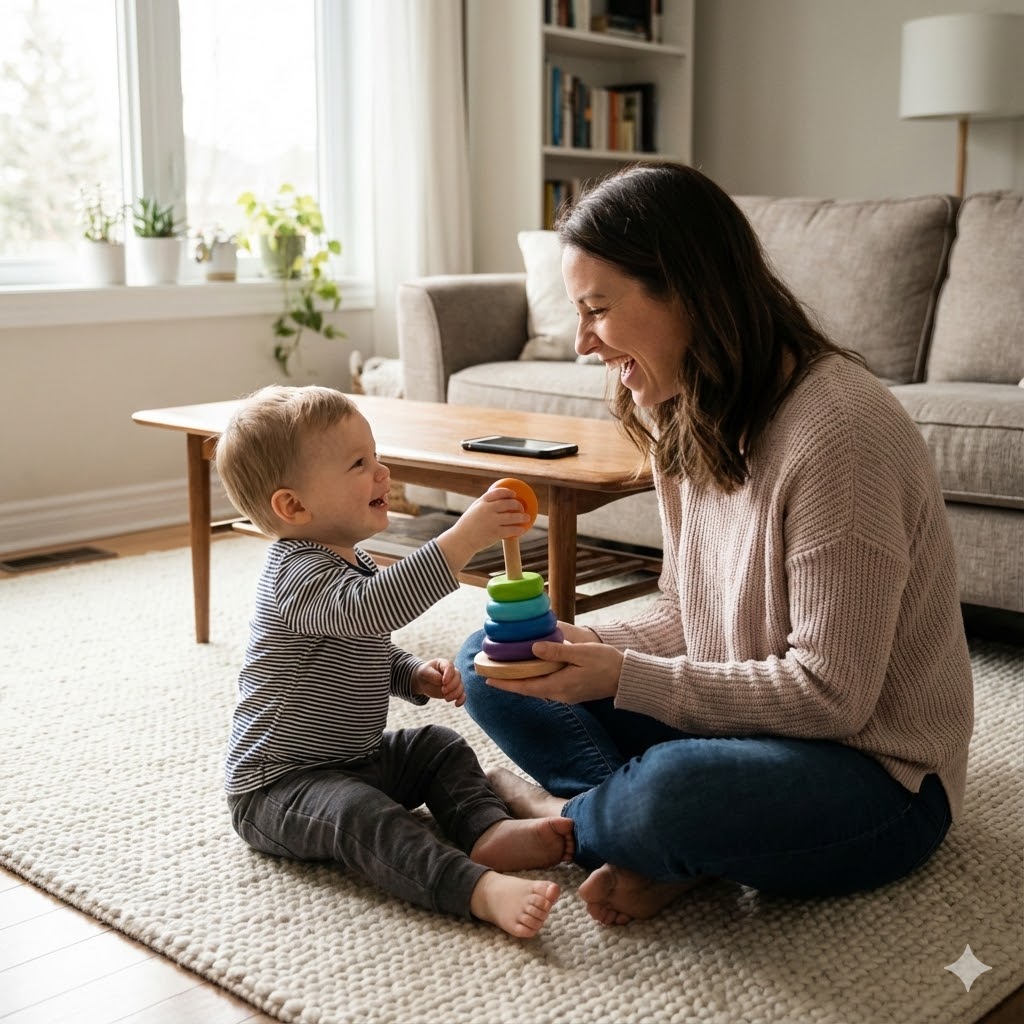
However, the excellent news backed by pediatric and behavioral research is that the quality of time matters infinitely more than the quantity. Your child doesn't need you to sit with them for five solid hours while you are mentally distracted by your smartphone or tomorrow's work meetings. Instead, they simply need 15 to 20 dedicated minutes of Quality Time—minutes composed of undivided attention, direct eye contact, and deep, responsive listening are entirely sufficient to build secure attachment and robust emotional health.
In this practical guide from Discover20, we lay out a highly realistic blueprint to spend condensed, high-impact quality time with your child daily without compromising your hectic work routine.
4 Simple and High-Impact Activities for Busy Parents
Integrating quality bonding sessions directly into your existing daily routine preserves your physical energy while flooding your child with emotional security:
1. The Magic "3-Minute Welcome" Ritual
- How to Apply: Cut out all digital distractions (turn off TVs, put away phones) during the first 3 minutes your child wakes up in the morning, and the first 3 minutes you reunite with them after your workday. Drop down to their eye level, hug them closely, look into their eyes with a warm smile, and tell them how much you missed them.
- The Psychological Impact: Behavioral studies reveal that these precise, tiny windows are what print deeply into a child's sub-conscious memory, setting their emotional baseline and securing their sense of unconditional love and acceptance for the day.
2. The Creative "Kitchen Helper" Routine
- How to Apply: Instead of isolating your toddler from the kitchen so you can finish chores faster, intentionally invite them into simple, age-appropriate tasks. Let them help you sort plastic spoons, peel bananas with their fingers, or wipe down the counter beside you. Use this open window to chat, sing, or laugh together.
- The Psychological Impact: Transforms rigid, tiring domestic chores into a meaningful bonding activity. It naturally expands a child's self-confidence, trains them in personal responsibility, and channels their hyperactivity constructively.
3. The "Happiest Moment" Dinner Table Game
- How to Apply: Avoid the generic, dead-end question: "What did you do at school today?" (which almost always yields a vague "nothing" or "I played"). Instead, replace it with an engaging family game. Ask your child: "What was the single funniest thing that happened to you today?" or "Did anything make your heart sad in class?", and share a simple glimpse of your own day with them in return.
- The Psychological Impact: Teaches children emotional intelligence and how to map and label their internal feelings. Crucially, it constructs a sturdy bridge of trust, ensuring they will instinctively turn to you first when navigating real crises in their future.
4. The 5-Minute Bedtime Gratitude Routine
- How to Apply: Right after turning off the bedroom lights and tucking them in, softly ask your child: "What are 3 beautiful things that happened to us today that we want to thank God for?". Share your own list first, then let them voice theirs spontaneously.
- The Psychological Impact: Automatically programs the child's subconscious mind right before drifting off to anchor onto feelings of stability, security, and gratitude. This significantly minimizes nighttime anxieties or night terrors, facilitating deep, restful sleep.
Golden Boundaries for Working Mothers to Protect Bonding Quality
- Keep the Smartphone in Another Room: During your child's 15-minute window, switch your phone to silent and set it entirely out of reach. Glancing at even a single work notification signals to your child that they are not your immediate priority.
- Strictly Suspend Behavioral Lectures: Quality bonding time is not the place to critique mistakes or deliver rigid moral lectures about what happened earlier in the day. Suppress the urge to correct; simply enjoy playing and listening to your child exactly as they are.
When to Seek Professional Educational and Behavioral Support?
Occasionally, intense workplace pressures can blend with parental exhaustion, turning home routines and mealtimes into a cycle of constant shouting, friction, and domestic stress that actively hinders a child's emotional and intellectual growth.
🚨 Behavioral Guidance Consultation: If you are struggling to maintain a healthy balance between your professional obligations and parental connection, or if you feel a persistent emotional distance and chronic friction at home, you don't have to face this alone. You can now Book a Private Consultation with a Play Guidance and Behavior Modification Expert directly through our platform to map out a flexible, stress-free routine that restores your domestic peace and connection.
🔗 Essential Links for Your Activity Journey:
- To safely channel your child's hyperactive physical stamina through indoor games, check out: [indoor games to release a child's energy].
- To instill ethical and cultural foundations using warm bedtime storytelling, read: [stories in Egyptian Arabic to teach children values].
- To cross-reference structural tools for building early childhood logic and mental agility, visit our sister hub: Child Intelligence.



.png)

.png)
.png)
.png)
.png)
.png)
.png)